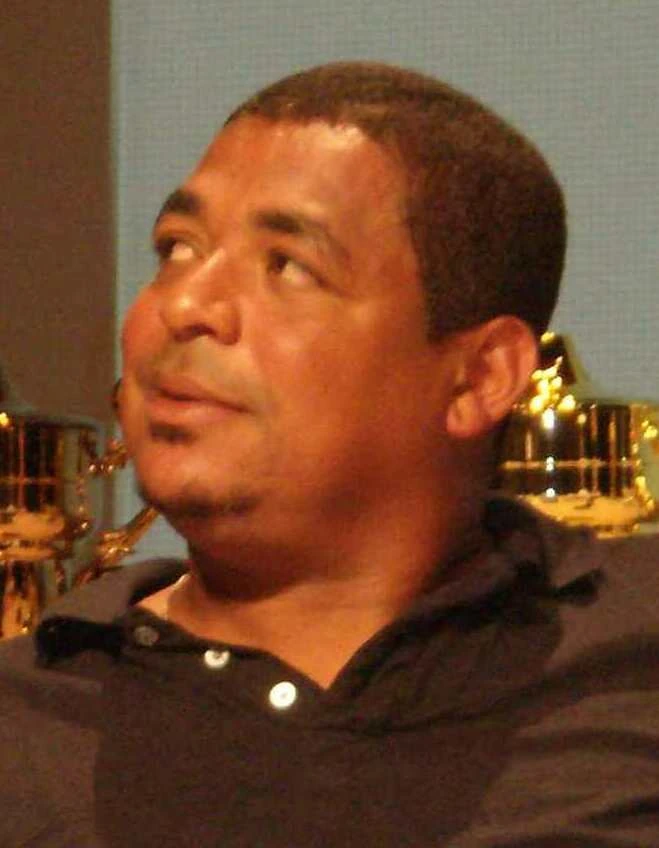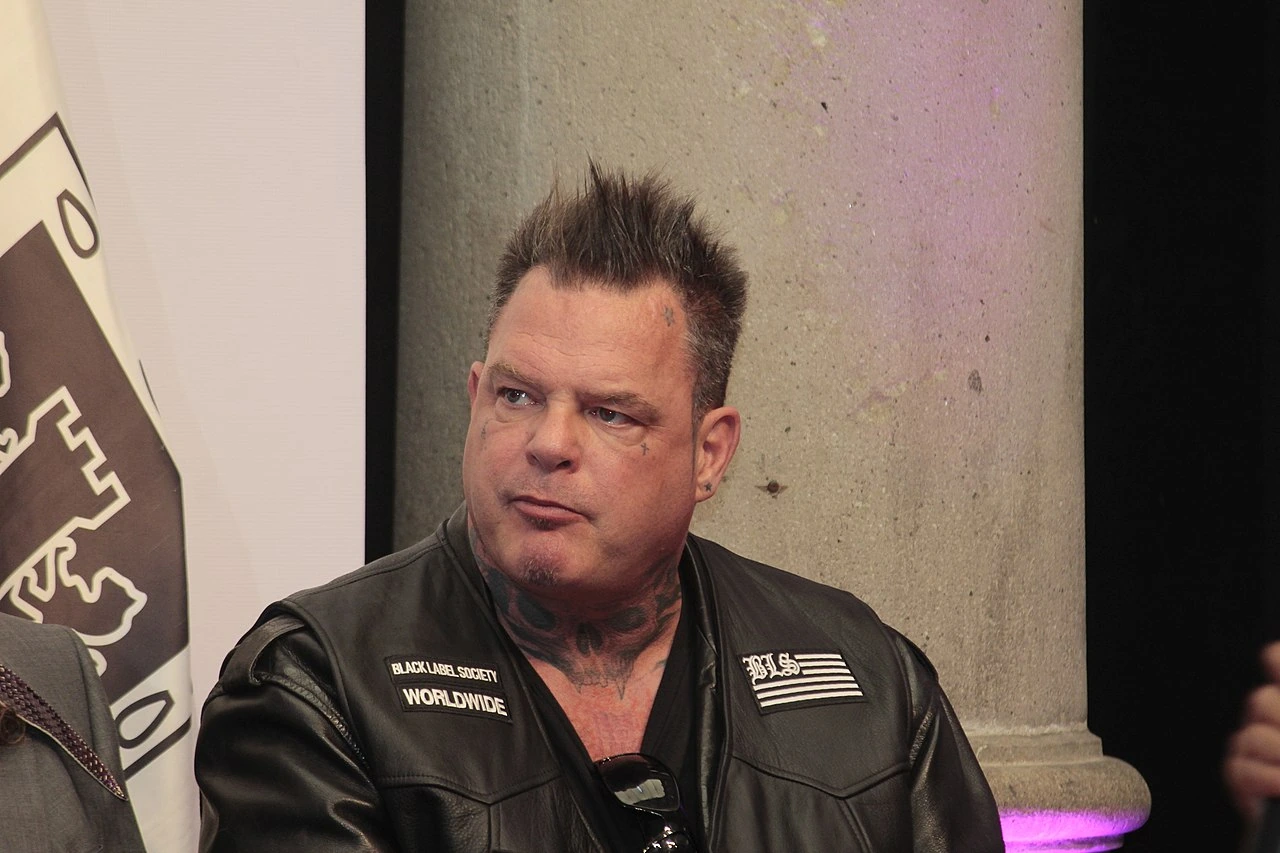
Vampiro canadiense net worth is most reliably estimated in the range of $1 million to $3 million as of 2026, a figure that reflects a long professional wrestling career, entertainment side ventures, and recent late-career appearances rather than the $20 million figure that circulates on some aggregator sites. That higher number lacks any documented methodology and does not hold up when you map his actual career income against known industry benchmarks.
Vampiro canadiense net worth: rango estimado y fuentes

Marcus Vettori
27 May 2026
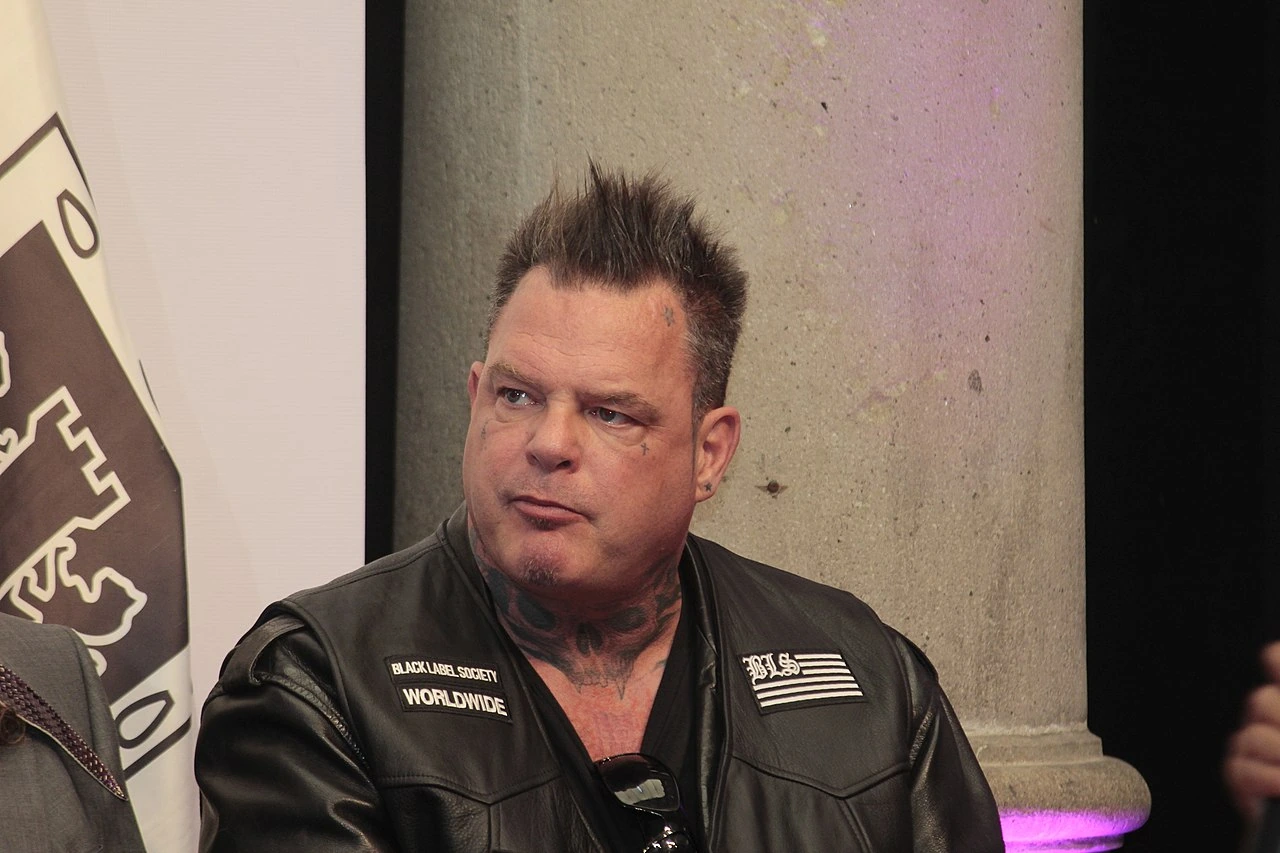
Who exactly is "Vampiro canadiense"?
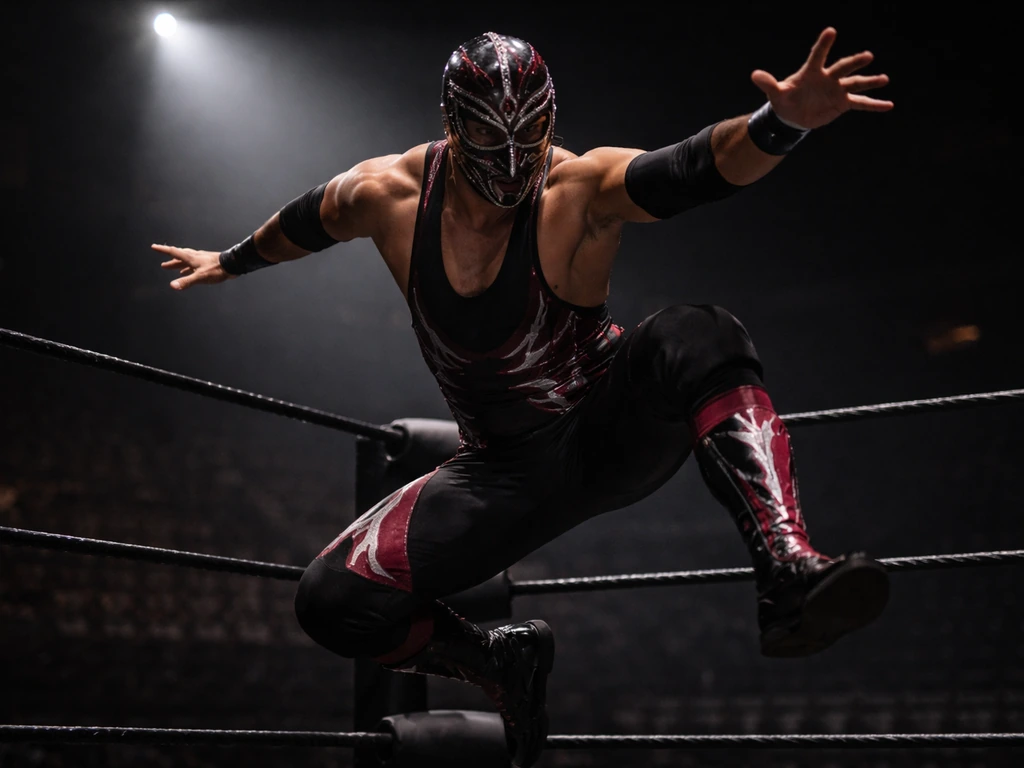
The name refers to one specific person: Ian Richard Hodgkinson, born May 31, 1967, in Thunder Bay, Ontario, Canada. He is a retired Canadian professional wrestler who built his early career in Mexico under the ring name "Vampiro Canadiense" (literally Canadian Vampire), a label given to him by CMLL officials after they learned he liked vampires. The name stuck, and it became his identity across Mexican lucha libre promotions before he transitioned to the U.S. market.
If you are seeing the name and wondering whether it refers to a different entertainer or brand, the confirming identifiers are clear: Thunder Bay birthplace, May 31, 1967 birth date, ring-name history documented on Luchawiki under "Vampiro Canadiense," and an extensive match listing in the Internet Wrestling Database under aliases including "El Vampiro," "El Vampiro Canadiense," "Canadian Vampire Casanova," and simply "Vampiro." His most visible U.S. run was in WCW starting in 1998, and his documentary "Vampiro: Angel, Devil, Hero" on IMDb also confirms the identity. There is no credible overlap with another public figure of note under this specific name.
One quick check worth doing: a London Gazette search does surface bankruptcy notices for people named Hodgkinson, but those entries belong to different individuals with different birth details. Name-collision is a real problem in net worth research, and it is worth being disciplined about cross-referencing birth dates and locations before accepting any financial claim tied to a name.
The net worth estimate, and why the $20 million figure is probably wrong
The most widely shared claim online puts Vampiro's net worth at $20 million. That number appears on NetWorthList and a handful of aggregator sites, but none of them show their work. If you are specifically researching Vampiro’s net worth, this is why the widely repeated $20 million claim does not hold up well $20 million figure. No public records, no contract disclosures, no property filings, no business registrations are cited to support it. When you build the estimate from the ground up using what is actually documented, $1 million to $3 million is a more defensible range, and even that carries meaningful uncertainty.
Confidence level on the $1M to $3M range: moderate. Professional wrestling careers at the WCW/major-promotion level in the late 1990s and early 2000s generated real income, but WCW was notorious for erratic pay structures, and Vampiro was never in the top-tier contract tier occupied by names like Hulk Hogan or Goldberg. His post-WCW work moved through smaller promotions, appearances, and consulting roles. The documentary production side and the comic book series ("Vampiro: Rockabilly Apocalypse") add modest revenue but not life-changing multiples. The absence of any reported major property portfolio, significant business equity, or investment disclosures keeps the ceiling relatively low.
How net worth estimates like this one actually get built

Net worth is assets minus liabilities. For a private individual who has never publicly filed with a stock exchange or disclosed a business sale, you are almost always estimating rather than calculating. Here is the methodology that produces a credible range for someone like Vampiro.
- Career income benchmarking: WCW mid-card wrestlers in the late 1990s typically earned between $150,000 and $500,000 per year in guaranteed contracts, with performance bonuses on top. Vampiro was a credible mid-card act with some main event exposure, so his annual contract income in that era was likely in that band.
- Promotion-era income for Mexico and smaller U.S. promotions: CMLL and AAA pay structures are significantly lower than WCW/WWE. Pre-WCW and post-WCW Mexico work would generate modest per-appearance fees, not annual salaries.
- Entertainment and media: Documentary participation, DVD sales, and the comic book series add revenue but rarely produce large lump sums for the talent unless they hold production equity.
- Consulting and appearances: His role as a wrestler and consultant for Juggalo Championship Wrestling after his 2011 return from retirement, plus his AAA farewell tour ("Orígenes") announced for 2024, represent late-career income streams that are appearance-fee based rather than salaried.
- Known liabilities and financial stress signals: The Wrestlezone DVD review of the documentary references Vampiro needing $18,000 before showtime for a specific production event. While this is a single anecdote about one project, it is a data point that does not align with someone holding $20 million in liquid assets.
- Health and earning capacity: A 2025 Publimetro México report described Vampiro disclosing serious personal health and mental health struggles. These do not directly translate to a dollar figure, but they are relevant context for assessing his current earning capacity and asset-building trajectory.
Where the money actually came from: career income streams
Vampiro's wealth, such as it is, flows from several distinct eras and income types. None of them individually created wealth at the level that would justify a $20 million estimate, but taken together across a 30-plus year career they form a coherent picture.
Mexican lucha libre (late 1980s through late 1990s)
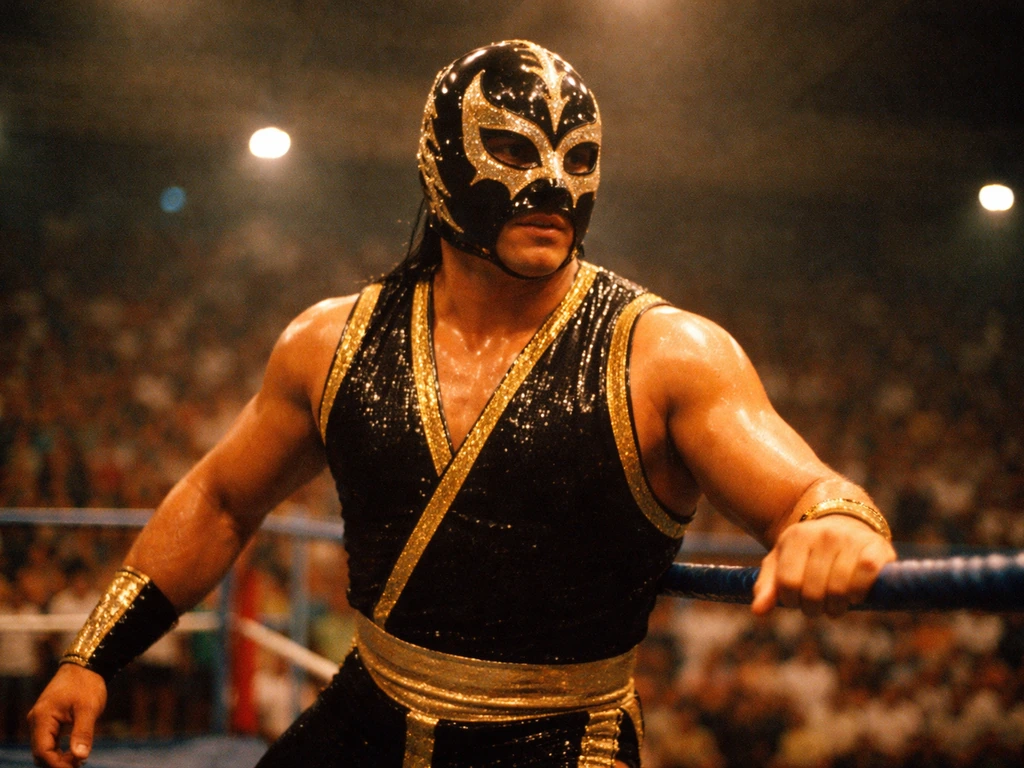
He built his name in CMLL before WCW came calling. Mexican wrestling promotions pay far less than U.S. major promotions, and talent at that level in that era were not accumulating significant savings. This period is better understood as reputation-building than wealth-building.
WCW contract era (1998 to 2001)
This is the highest single-income period of his career. WCW introduced him to U.S. audiences in 1998 and he had a credible run including feuds with prominent names on the roster. WCW was also known for paying talent generously before its collapse, and even mid-card contracts often included guaranteed money. This is the period that likely produced the largest single-era income in his career, probably in the range of $500,000 to $1.5 million in total over those years, before taxes and expenses.
Post-WCW independent and international circuit
After WCW folded in 2001, Vampiro worked the independent wrestling circuit across North America and continued to do international appearances. This is a lower-income phase for most wrestlers who do not get picked up by WWE. Per-appearance fees in the independent scene can range from a few hundred dollars to a few thousand, depending on the event.
Entertainment and media ventures
The documentary "Vampiro: Angel, Devil, Hero" brought his story to a wider audience and added to his brand equity. He also participated in "Nail in the Coffin," a film project connected to the documentary pipeline documented by Slam Wrestling. Slam Wrestling’s interview on the film describes how “Nail in the Coffin” fit into the production pipeline linked to Ian Hodgkinson (Vampiro) participated in "Nail in the Coffin". His comic book series "Vampiro: Rockabilly Apocalypse," covered in Rue Morgue, represents creative-IP work that generates royalties but is unlikely to produce large upfront income for a niche genre title.
Consulting, commentary, and farewell appearances
His 2011 return to Juggalo Championship Wrestling as both wrestler and company consultant added a new income type: advisory fees. His 2024 AAA farewell tour "Orígenes" represents one of the more visible late-career engagements, generating appearance income and likely merchandise revenue tied to a nostalgia-driven audience.
A financial timeline: from debut to today
| Era | Approximate Period | Primary Income Source | Wealth Impact |
|---|---|---|---|
| Early Mexico career | Late 1980s to mid-1990s | CMLL/lucha libre appearance fees | Low: modest accumulation, reputation building |
| WCW peak | 1998 to 2001 | WCW guaranteed contract + bonuses | High: largest single income period |
| Post-WCW independents | 2001 to 2010 | Per-appearance fees, international dates | Moderate-low: steady but not scalable |
| Return and consulting | 2011 to 2020 | JCW consulting, appearances, documentary/media | Low-moderate: diversified but small-scale |
| Late career/farewell era | 2020 to present (2026) | AAA farewell tour, media, comics royalties | Low: income with health headwinds |
The peak was clearly WCW. After the promotion folded, as happened with many of his contemporaries who did not land in WWE, the income trajectory shifted downward and diversified into smaller streams. The late career has been marked by personal challenges, documented publicly in 2025, which further constrain the wealth-building phase of his life.
Assets, ventures, and spending patterns that shape the number
There are no publicly documented major real estate holdings, no disclosed equity stakes in large businesses, and no reported investment portfolio for Ian Hodgkinson. Wrestlers of his era, particularly those who worked significant portions of their careers outside the WWE system, often accumulated less than the public assumes because expenses tied to travel, health care, and the physical demands of the job were high, and the financial planning culture in wrestling was historically poor.
On the asset side, his intellectual property around the "Vampiro" brand (documentary, comics, merch) has some ongoing value. His consulting experience in wrestling promotion has translatable market value for advisory roles. On the liability side, the anecdote about needing $18,000 before showtime during the documentary production, while a single data point, suggests he has operated with lean margins at various points rather than sitting on a large cushion.
His spending patterns are not publicly documented in detail, but wrestlers who continue to work the independent and international circuit well into their later years typically do so at least partly for income, not just passion. That behavioral signal also suggests accumulated net worth is not so high that appearances are purely discretionary.
How to verify conflicting claims and what to do next
If you see a dramatically different number, whether it is $20 million or $500,000, here is how to stress-test it. First, ask whether the source shows any methodology at all. Aggregator sites that publish net worth figures without sourcing are not primary research; they copy each other, and errors compound. Second, map the career against industry pay benchmarks for the relevant promotion tiers and eras. Third, look for any corroborating evidence of large wealth: property records, business registrations, equity disclosures, or credible interviews where the subject discusses finances. For Vampiro, none of those exist in the public record at the $20 million level.
- Search for property records under Ian Richard Hodgkinson in Canadian and U.S. jurisdictions where he is known to have lived.
- Check business registrations in relevant states or provinces for any company names associated with Vampiro or Ian Hodgkinson.
- Cross-reference any net worth claim against the specific promotion tiers he worked and the documented pay ranges for those promotions in that era.
- Look for interviews where he discusses money directly, such as podcast appearances, documentary segments, or wrestling-media interviews, since talent sometimes discloses career earnings in those formats.
- Treat Reddit and fan-community posts about his retirement or finances as leads, not sources. Use them to identify timelines or promotions to investigate, then verify against promotion announcements or mainstream wrestling media.
- For the AAA farewell tour, check AAA's official announcements and Mexican wrestling media (such as Reporteindigo) for details on the event scope, which can help estimate the appearance fee range.
It is also worth knowing that Vampiro is one of several figures in the broader wrestling and entertainment space whose wealth profiles attract curiosity. His career overlaps thematically with other fighters and entertainers, and the same methodological principles that apply here apply to any net worth profile where public records are limited and aggregator figures circulate without sourcing. The honest answer is almost always a range with a confidence level attached, not a single precise number.
The bottom line: Vampiro canadiense (Ian Richard Hodgkinson) most likely has a net worth in the $1 million to $3 million range as of 2026, built primarily from his WCW contract era, supplemented by a long career on the independent and international circuit, entertainment ventures, and recent farewell appearances. The $20 million figure floating online has no visible evidentiary support and should be treated skeptically until any source produces the methodology behind it. If you are mainly here for the rumored vampiro net worth figure, treat the $20 million claim as a starting point and verify it against the methodology described for stress-testing net worth estimates.
FAQ
¿Por qué el rango de vampiro canadiense net worth (1 a 3 millones) es “moderado” en confianza y no una cifra exacta?
Porque no hay divulgaciones públicas tipo declaraciones fiscales, registro societario, o ventas de activos que permitan un cálculo. En estimaciones de figuras privadas, se infiere a partir de tramos de ingresos (contratos, apariciones, IP) y se ajusta por gastos típicos del sector, por eso el resultado queda como rango, no como número único.
Si existen avisos de insolvencia o bancarrota en registros como London Gazette, ¿por qué no eso implica automáticamente un net worth muy bajo?
Las colisiones de nombres pueden llevar a conclusiones erróneas. El artículo señala que hay Hodgkinsons distintos con otros datos, por eso para usar ese tipo de registros hay que confirmar identidad con fecha y lugar de nacimiento, y además distinguir entre deudas personales puntuales y un patrimonio global.
¿Qué evidencia adicional debería buscar alguien si quiere comprobar o refutar el famoso $20 millones?
La clave es exigir metodología: detalles de fuentes primarias (registros de propiedad, contratos, creación y venta de empresas, participación accionaria, o entrevistas donde se cuantifiquen ingresos). Sin esa trazabilidad, los agregadores suelen replicar cifras entre sitios, y los errores se amplifican.
¿El dinero de “vampiro canadiense” viene solo de la lucha libre, o hay otras vías relevantes?
Hay fuentes mixtas. Además de apariciones, el artículo contempla ingresos de consultoría y valor continuo de propiedad intelectual (documental, cómics, mercancía). También hay tramos de marca y nostalgia que suelen traducirse mejor en ventas puntuales de merchandising que en riqueza financiera masiva.
¿Cuánto influye WCW en el vampiro canadiense net worth estimado, y por qué no basta para llegar a $20 millones?
WCW es el tramo con mayor probabilidad de ingresos acumulados, pero el artículo subraya que no fue un contrato “top tier” como los de las superestrellas mejor pagadas, y además WCW tenía estructura de pago errática. Cuando sumas periodos posteriores con pagos menores y gastos altos, el techo esperado se mantiene más bajo.
¿Por qué no se ve en público un portafolio de inversiones o bienes raíces si existiera un net worth alto?
Porque un net worth alto normalmente deja huellas documentales en al menos alguna categoría (propiedad registrada, sociedades, participaciones, o declaraciones en medios creíbles). El artículo indica ausencia de evidencia pública de ese nivel, por lo que el “techo” de la estimación se mantiene limitado por datos observables.
¿Qué papel tiene la propiedad intelectual, como el documental y el cómic, en el patrimonio de vampiro canadiense?
Puede aportar ingresos continuos (por ejemplo, regalías y licencias), pero el artículo sugiere que es poco probable que genere múltiplos “life-changing” por sí solo, dada la escala típica de títulos de nicho. Es más defendible verla como suplemento de ingresos, no como motor principal hacia cifras extremadamente altas.
¿Cómo debería una persona “stress-test” su propia estimación del vampiro canadiense net worth?
Tres comprobaciones: (1) validar que la fuente muestre metodología y no solo un número; (2) contrastar el rol de cada etapa contra benchmarks de la promoción y época (mid-card vs top-tier, y feudos reales); (3) buscar al menos una pieza de evidencia de patrimonio (propiedades, registros empresariales, equity o declaraciones financieras). Si falla en (3), lo más realista es mantener rango amplio.
Si una estimación alternativa menciona $500,000 o $20,000,000, ¿qué errores suelen llevar a esos extremos?
Errores típicos: confundir personas con el mismo nombre (por ejemplo, Hodgkinson), mezclar divisas o periodos sin ajustar, y copiar cifras entre agregadores sin metodología. El extremo alto suele fallar en evidencia, el extremo bajo suele ignorar que existen ingresos por décadas, consultoría y valor de marca.
¿Vampiro canadiense net worth puede cambiar mucho por “una sola” aparición o gira reciente?
No suele cambiar drásticamente. Las giras de despedida y eventos tardíos tienden a generar ingresos de apariciones y, a veces, ventas de merchandising, pero no equivalen a una revaluación masiva del patrimonio a menos que vayan acompañadas de acuerdos grandes, ventas de derechos, o monetización de IP con pagos significativos.